

TORONTO – The Canadian Constitution Foundation (CCF) will intervene at the Supreme Court of Canada in a case concerning the constitutionality of Ontario’s Rebuilding Ontario Place Act (ROPA).
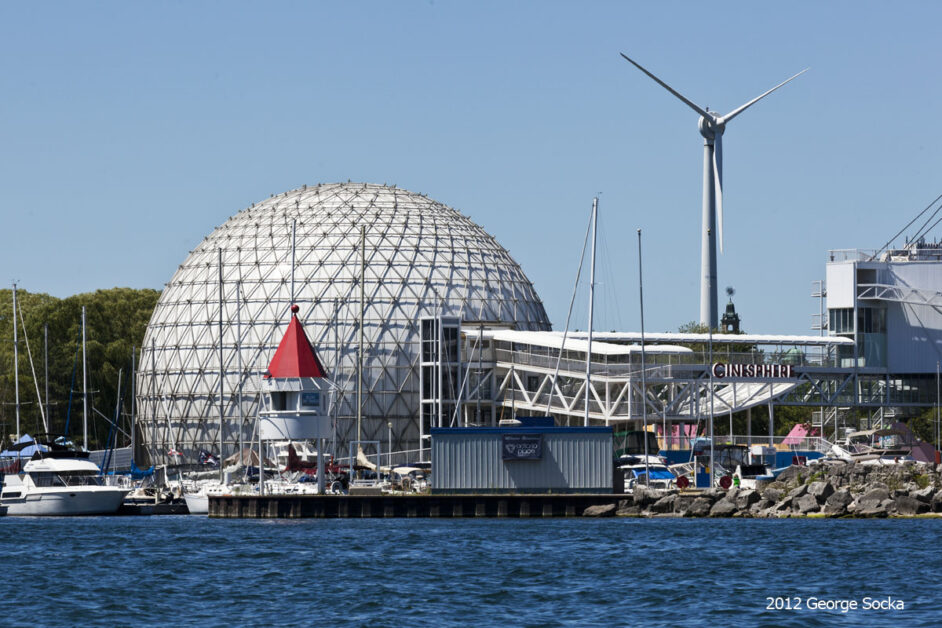
Ontario Place, a defunct amusement park on Toronto’s waterfront, is the subject of a major redevelopment project by the Ontario government. ROPA, passed in 2023, exempts the redevelopment from most requirements under the Environmental Assessment Act and the Ontario Heritage Act, while also limiting certain legal claims against the government arising from the project. The legislation preserves access to judicial review and constitutional remedies.
A group opposing the redevelopment, Ontario Place Protectors, challenged the law, arguing it violates section 96 of the Constitution Act, 1867, which protects the role of superior courts. The Ontario Court of Appeal rejected that argument, and the Supreme Court of Canada granted leave to appeal on January 8, 2026.
The CCF will argue that the ROPA respects the limits of section 96 because it preserves access to judicial review and constitutional remedies.
Christine Van Geyn, Interim Executive Director for the CCF, said the case raises important questions about the role of courts in a democratic society.
“The Constitution does not require courts to oversee every policy dispute,” said Van Geyn. “Canadians are best served when judges decide legal questions and legislators make policy choices. If courts are invited to second-guess decisions about public projects and government spending, the result will be greater costs for taxpayers and less democratic accountability.”
Josh Dehaas, Interim Litigation Director for the CCF, said the legislation appropriately preserves the courts’ ability to review constitutional questions while allowing the legislature to make policy decisions.
“Governments cannot place themselves above the Constitution, and Ontario’s legislation does not attempt to do so,” said Dehaas. “Courts remain free to hear Charter challenges and grant constitutional remedies, but legislatures must also retain the authority to decide when certain non-constitutional claims should not proceed.”
The CCF will be represented in this case by Paul-Erik Veel and Jennah Khaled of Lenczner-Slaght.
Christine Van Geyn
Executive Director (Interim)
Canadian Constitution Foundation
1-888-695-9105 x. 103
[email protected]
Josh Dehaas
Litigation Director (Interim)
Canadian Constitution Foundation
1-888-695-9105 x. 104
[email protected]


