

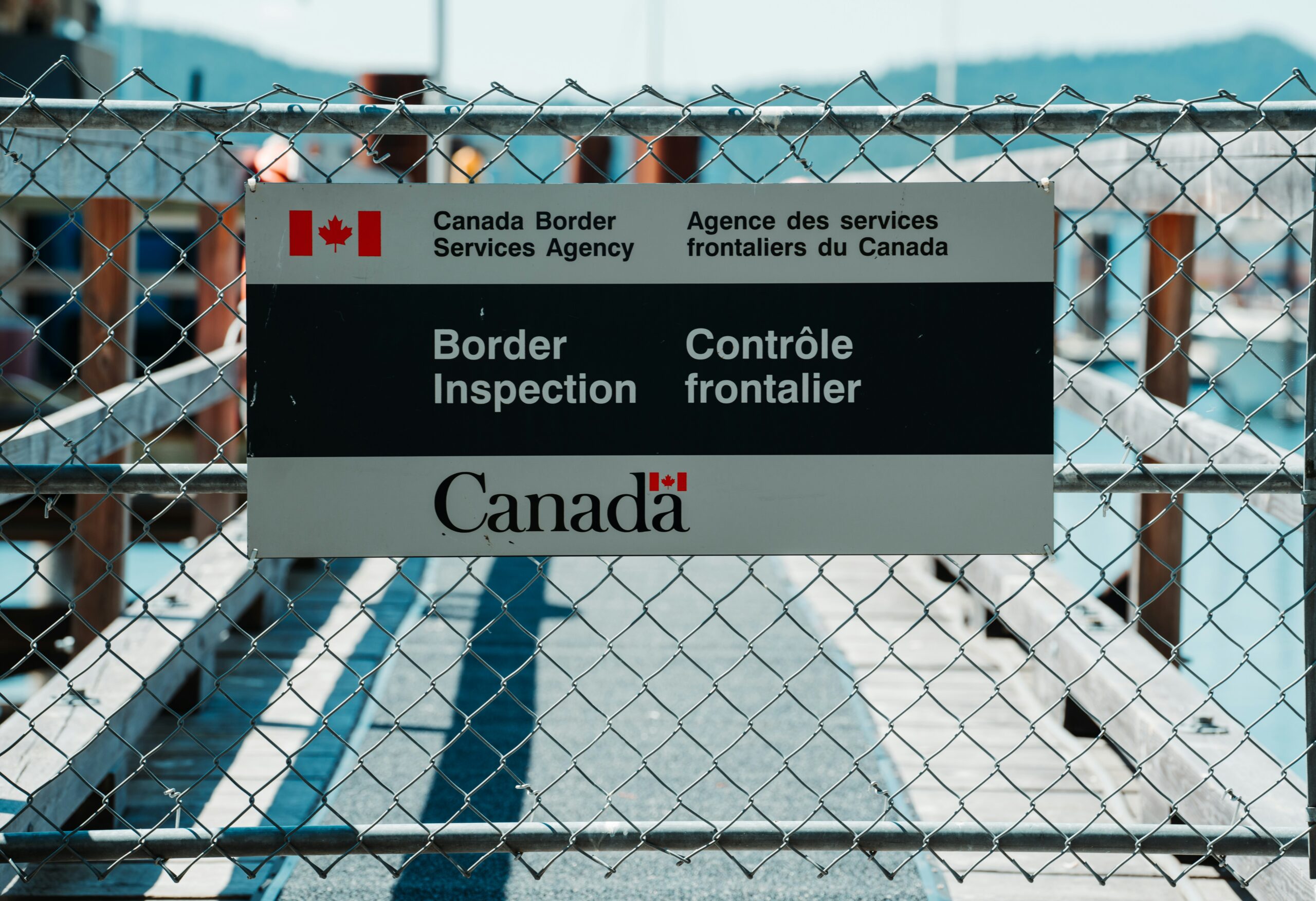
TORONTO – The federal Carney government has separated privacy-threatening provisions from its border security bill, C-2, into a new bill called C-12, following pressure from the Canadian Constitution Foundation and other advocacy groups.
Splitting the bill reduces the likelihood that the constitutionally questionable parts of C-2 will become law. However, the CCF is urging the government to affirm Canadians’ privacy rights by formally withdrawing the original C-2 border bill.
The introduction of the new border bill, C-12, came after concerted efforts by advocacy groups, including the CCF, raising concerns that the original C-2 would violate the constitutional rights of Canadians to be secure against unreasonable searches and seizures.
The new bill does not contain the five of the parts of Bill C-2 that the CCF had warned would violate the constitutional rights of Canadians to be secure against unlawful searches. Specifically, these five parts do not appear in C-12:
- Provisions in Part 16 that would enlist financial institutions in snooping;
- New powers in Part 4 for Canada Post to open letter mail without proper safeguards;
- New powers in Part 14 to allow police to demand subscriber information without warrants;
- New powers in Part 15 to potentially enlist electronic service providers in spying; and
- A ban on cash transactions over $10,000 (Part 11).
Josh Dehaas, CCF Counsel, said that while he was encouraged to see the government remove all of the privacy-violating sections of Bill C-2 from Bill C-12, the government should commit to not bringing them back by formally withdrawing Bill C-2.
“The new bill takes out the most offensive sections of Bill C-2, and creates a new bill, C-12, that is likely to pass,” Dehaas said. “While that’s progress, I would still like to see the Carney government withdraw C-2 so that it is not resurrected in the future,” Dehaas added.
The CCF also remains concerned about the federal cybersecurity legislation, Bill C-8, which would allow the minister of industry to cut off phone and Internet services.
CCF Litigation Director Christine Van Geyn said she was heartened that hundreds of the CCF’s supporters used the CCF’s form to write to their Members of Parliament to ask them to Stop Bills C-2 and C-8. The CCF created an online portal where members of the public can write to their MP with their concerns about these bills, at theccf.ca/stopbillc2c8/
“The fight is not over yet,” Van Geyn added. “I encourage any Canadian who cares about their privacy and who hasn’t already done so to use our form to write to their MPs to ensure C-2 is withdrawn and C-8 is fixed.”
CCF Executive Director Joanna Baron said that the government appearing to back down shows that “pressure from informed citizens can help protect constitutional rights.”
“While the fight is not over, this news shows we’re making progress,” she said. “I want to thank every single Canadian who spoke out about this bill or who used our form to write to their MP.”
Joanna Baron
Executive Director
Canadian Constitution Foundation
1-888-695-9105 x. 101
[email protected]
Christine Van Geyn
Litigation Director
Canadian Constitution Foundation
1-888-695-9105 x. 103
[email protected]
Josh Dehaas
Counsel
Canadian Constitution Foundation
1-888-695-9105 x. 104
[email protected]


