

OTTAWA — The Canadian Constitution Foundation (CCF) has been granted leave to intervene in a significant constitutional challenge coming to the Supreme Court of Canada. The case, Alford v Canada (Attorney General), raises critical questions about freedom of expression, Parliamentary privilege, and the limits of executive power.
The applicant, Professor Ryan Alford of Lakehead University, is challenging section 12 of the National Security and Intelligence Committee of Parliamentarians Act (NSICOP). The provision prohibits members of the NSICOP committee from disclosing classified information, even for the purposes of Parliamentary debate, and removes the protection of Parliamentary immunity. Breaches are punishable by up to 14 years in prison.
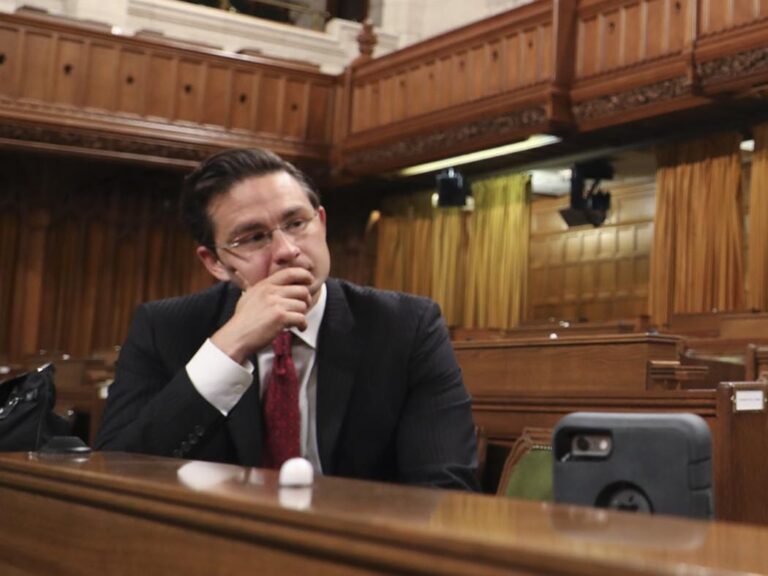
Professor Alford contends this provision is unconstitutional, as it allows the executive to unilaterally define what constitutes a national security matter and then suppress Parliamentary debate through the threat of criminal sanction. This has dire consequences for our democracy. For example, Conservative Party Leader Pierre Poilievre declined security clearance to access a NSICOP report which detailed foreign interference, citing concerns that accepting clearance would legally bar him from discussing its contents. The CCF will argue that the Act infringes on the constitutional right of Parliamentarians to speak freely and undermines the principle of democratic accountability. Penalties for inappropriate speech should rest with Parliament itself, which is best positioned to decide when public debate should be limited and how violations should be addressed.
“Free speech in Parliament is absolutely critical to a healthy, functioning democracy,” said Christine Van Geyn, CCF Litigation Director. “This legislation has more than the potential to limit debate on matters of public interest – it is already limiting debate. By handing to the executive branch the ability to decide what can and cannot be debated, combined with the threat of massive criminal sanction, this Act takes away from Parliament its own jurisdiction to decide how to govern debates.”
The CCF will be represented in this case by Paul-Erik Veel of Lenczner Slaght.
Christine Van Geyn
Litigation Director
Canadian Constitution Foundation
1-888-695-9105 x. 103
[email protected]
Joanna Baron
Executive Director
Canadian Constitution Foundation
1-888-695-9105 x. 101
[email protected]